
Top Senior Safety Technologies 2026: Wearables, Sensors, AI Tools
Top Senior Safety Technologies for 2026: Wearables, Home Sensors, and AI Tools
As populations age globally, the demand for technologies that can ensure the safety and well-being of seniors is growing exponentially. By 2026, the market for elder care technologies will have evolved substantially, incorporating advanced wearables, home sensors, and AI tools designed to offer peace of mind to families while providing independence to seniors. This blog post explores the top senior safety technologies that are expected to make a significant impact in the near future.
Advanced Wearables Enhanced with New Features
GPS Tracking and Fall Detection
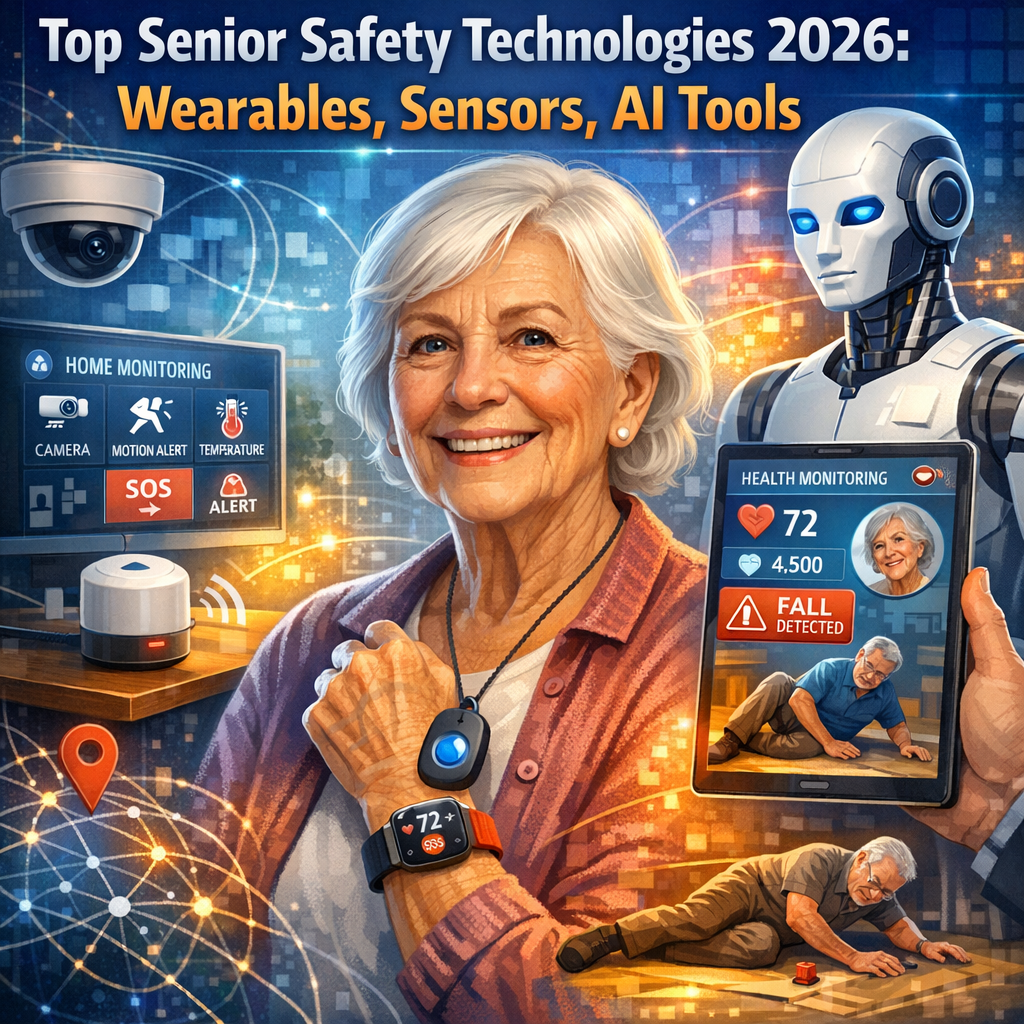
One of the key features in senior safety wearables is GPS tracking. This tool allows family members to know the whereabouts of their loved ones at all times, which is especially useful for seniors with conditions such as Alzheimer’s or dementia. Besides location tracking, these devices have sophisticated fall detection sensors that can alert caregivers and emergency services immediately after a fall occurs.

Health Monitoring Capabilities
2026 sees wearables equipped with features that monitor vital signs such as heart rate, blood pressure, and even blood glucose levels in real-time. These devices can send alerts to both the wearer and their caregivers if any readings fall outside the normal range, allowing for immediate medical intervention if necessary.

Home Sensors to Enhance Senior Safety
Motion Sensors and Smart Lighting
As seniors age, reduced mobility and vision can increase the risk of falls during night-time bathroom trips or in poorly lit areas. Motion sensors combined with smart lighting systems can mitigate these risks by automatically illuminating paths as the senior moves through their home, dramatically reducing the chance of accidents.

Voice-Activated Assistance
Voice-controlled technology is particularly beneficial for seniors who may struggle with using traditional computers or smartphones. Systems like Google Home or Amazon Echo can be set up to control various aspects of the home environment, make calls, set reminders, or even order groceries, all through simple voice commands.
AI Tools for Continuous Care and Support
Predictive AI for Health Monitoring
Artificial Intelligence is taking a front seat in anticipating potential health issues before they become critical. AI can analyze data from various sources such as wearable devices and home sensors to predict adverse health events. These systems can notify caregivers and prompt preemptive actions to prevent hospital re-admissions or more serious health crises.

Social Robots and Companions
Loneliness can be a significant issue for many seniors, especially those who live alone. AI-driven social robots can interact with seniors, providing companionship and engaging them in stimulating conversations and activities. These robots can help keep the senior’s mind active, while also alerting caregivers to any noticeable changes in cognitive functions.

Ensuring Affordability and Accessibility
Despite the advanced nature of these technologies, it is crucial that they remain affordable and accessible to those who need them the most. This involves not only reducing costs through technological advancements but also through support from healthcare policies and insurance companies.
Conclusion
By 2026, senior safety technologies will likely be an integral part of elder care, providing comprehensive solutions that not only ensure physical safety but also enhance the quality of life for seniors. With developments in wearables, home sensors, and AI tools, the future of senior living looks promising, combining safety with independence and dignity.
These emerging technologies represent a significant leap forward in the way we care for the aging population, offering innovative solutions that uphold safety while fostering greater independence and well-being among seniors. As these technologies continue to evolve, they will undoubtedly become more integrated into the everyday lives of seniors, ensuring that they can live safely and comfortably in their own homes for as long as possible.