
AI and Senior Healthcare: Transforming Aging, Caregiving & Prevention
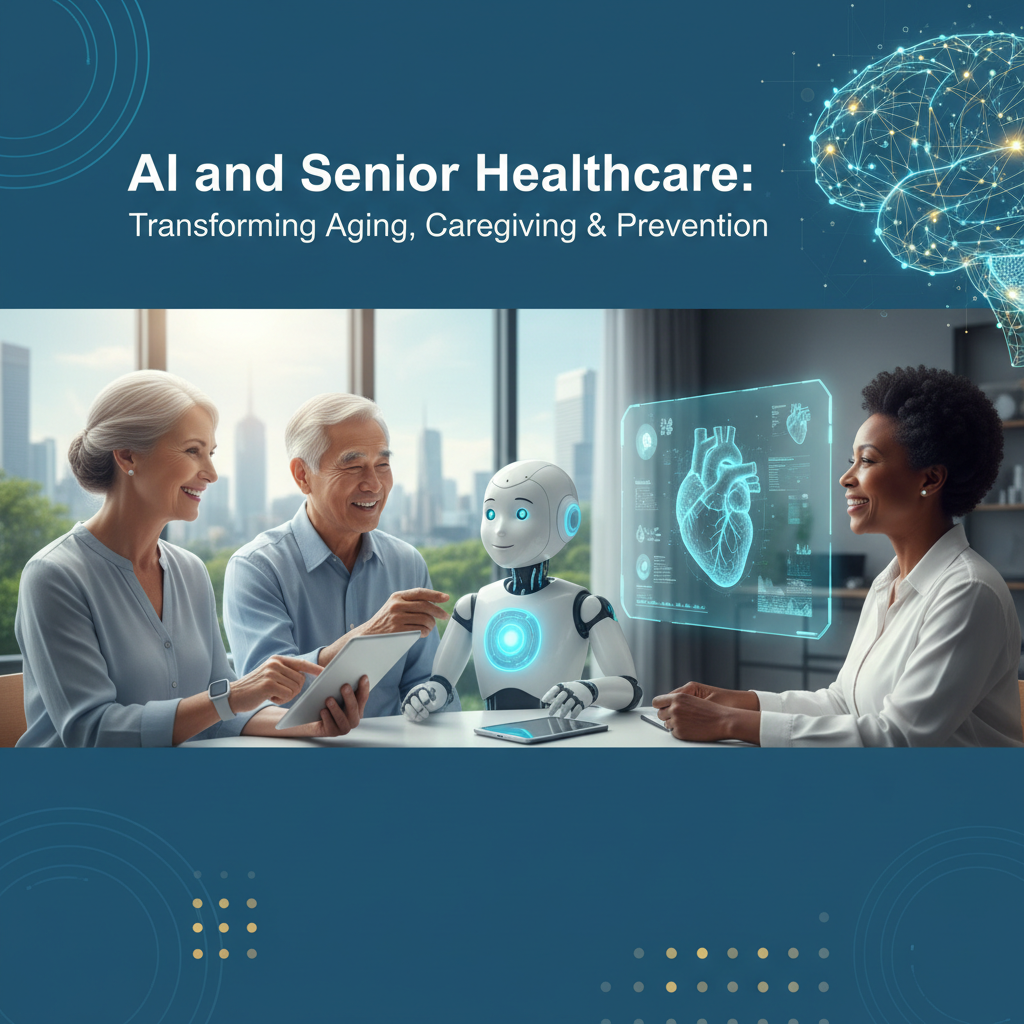
AI and Senior Healthcare: Transforming Aging, Caregiving & Prevention
The future of senior healthcare is rapidly changing as artificial intelligence (AI) moves from pilot projects into everyday tools that support aging, caregiving, and preventive health. This article explains how AI can help detect risks earlier, assist caregivers, expand telehealth access, and create more personalized care plans for older adults — all while highlighting real-world examples, practical considerations, and how families can evaluate new tools.
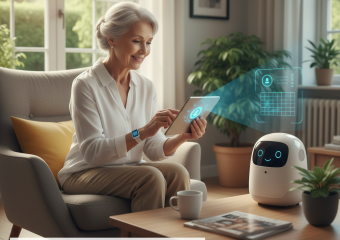
[IMAGE: Older adult using a tablet with a friendly AI health app displayed]

The changing senior healthcare landscape
Populations are aging in many countries, and healthcare systems face pressure to deliver safe, efficient care with limited resources. For seniors and their families, this means a shift from episodic, clinic-centered care toward continuous, home-centered models. AI is a technology that can help bridge gaps by analyzing more data, spotting subtle trends, and automating routine tasks so clinicians and caregivers can focus on human-centered care.

AI-powered preventive care
Preventive health aims to reduce problems before they become serious. AI tools add value to prevention by:

- Analyzing longitudinal data from wearables and electronic health records to flag early warning signs.
- Identifying patterns of declining activity, weight loss, or sleep disruption that could precede clinical problems.
- Prioritizing screening and vaccination reminders for high-risk individuals.
Example: An AI model can highlight patients at increased risk of falls or dehydration so a nurse or family caregiver can intervene early — not by making clinical diagnoses, but by elevating cases for human review.
AI health monitoring: continuous, unobtrusive, actionable
AI-enabled monitoring combines sensors, wearable data, and smart-home signals with algorithms that look for changes over time. Common applications include medication-adherence reminders, fall detection, and sleep or gait analysis. These systems produce alerts and summary reports that a clinician or caregiver can act on.

Practical points:

- Choose systems that communicate clearly about what they measure and what triggers alerts.
- Look for platforms that integrate with clinician workflows and share data securely.
- When you see references to dataset or trial IDs (for example, 382, 406, 371, and 369), those are often internal or research identifiers used to track validation studies — ask vendors for plain-language summaries of their studies.
[IMAGE: Caregiver reviewing an AI dashboard showing activity trends and alerts]
Supporting caregivers with AI
Caregivers—both family members and paid staff—often juggle many tasks. AI can reduce burden by automating scheduling, triaging questions via chatbots, and producing concise summaries of a senior’s recent health trends. Examples include:
- Automated medication reminders paired with confirmation logs to reduce missed doses.
- Smart scheduling that coordinates appointments, transportation, and in-home services.
- Documentation assistants that draft visit notes or assemble evidence for insurance or benefit decisions, aligned with appeal guidelines so families can efficiently request reviews when claims are denied.
Telehealth and remote consultations
Telehealth expanded rapidly during recent years. AI enhances virtual care by improving triage (deciding who needs an urgent visit), augmenting remote assessments (e.g., video-based gait or cognitive screening), and summarizing encounter notes. For seniors with mobility or transportation challenges, this combination increases access while keeping clinicians informed.
Personalized senior care
Personalization means care plans that reflect an individual’s health history, values, and daily life. AI can help create customized interventions — from tailored exercise programs to nutrition suggestions — by integrating data from multiple sources. Responsible personalization always includes human oversight and clear explanations of how recommendations were generated.
[IMAGE: Telehealth session between a senior and clinician, with AI-generated summary visible to clinician]
Challenges and responsible AI use
AI offers promise, but there are important limits and responsibilities:
- Bias and fairness: Models trained on unrepresentative data can produce unequal results. Ask vendors about the populations used in validation and whether the company audited fairness.
- Privacy and security: Seniors and families should confirm how data is stored, who can access it, and whether the system follows applicable privacy laws.
- Explainability: Tools should provide clear, understandable reasons for alerts or recommendations so clinicians and caregivers can judge usefulness.
- Regulation and oversight: Some clinical AI tools are regulated; others are not. Avoid systems that make definitive medical diagnoses without clinician review.
The future of AI-enabled senior care
Looking ahead, expect AI to become more integrated into everyday care: smarter home assistants that preserve independence, predictive analytics that support preventive visits, and caregiver tools that reduce paperwork. Partnerships among clinicians, technologists, and older adults will be essential to ensure usefulness, equity, and safety.
Where to learn more and evaluate tools
Families and professionals can learn by reviewing vendor documentation, asking for demonstrations, and checking independent evaluations. A practical starting resource is SeniorAIx — see https://senioraix.com for product overviews, education materials, and vendor comparison tools that focus on senior-friendly AI features.
AI is not a silver bullet, but when used responsibly it can amplify human care. By understanding capabilities, limits, and practical steps for evaluation, seniors, caregivers, and clinicians can make informed choices that improve safety, independence, and quality of life.