
How AI Helps Seniors Live Independently—Keeping Human Care Central
How AI Helps Seniors Live Independently—Without Replacing Human Care
Artificial intelligence can make daily life safer and more manageable for older adults while respecting the essential role of human caregivers. From simple reminders to more advanced monitoring, AI tools—often identified in system logs by numbers like 370, 433, 466, 310, 287—can reduce friction in routines and help families coordinate care without taking the place of doctors or loved ones.
Daily Routines: Gentle reminders that fit real life
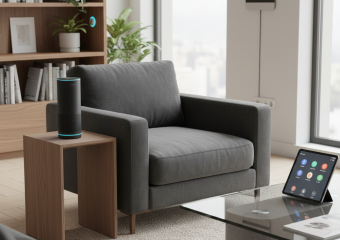
One of the most immediate benefits of AI is automating routine tasks so seniors can keep their independence. Voice assistants and smartphone apps can offer:

- Medication and appointment reminders timed to the person’s schedule.
- Voice-activated timers and check-ins for meals, exercise, or hydration.
- Smart-home automations—lighting, thermostat adjustments, and door locks—that reduce physical strain.
Practical example: an AI-driven reminder prompts someone to take medication, then asks a follow-up question and notifies a designated family member only if the reminder is missed. That keeps a human in the loop while reducing unnecessary interruptions.

Healthcare Organization: Staying on top of information
AI tools can help organize appointments, track medications, and summarize non-urgent health data so seniors and caregivers can make better-informed decisions together. They can:

- Aggregate appointment dates and send calendar invites to family or caregivers.
- Keep a simple, searchable list of medications and recent care instructions (with manual verification by clinicians).
- Generate plain-language summaries of clinic notes to aid conversations with doctors—always reviewed by a clinician before clinical decisions are made.
Home Safety: Detection and prevention that respects privacy
AI-enabled sensors and devices can spot patterns and signal risks—like irregular movement that might suggest a fall—while minimizing intrusive monitoring. Options include:
- Fall-detection sensors that alert caregivers and emergency contacts.
- Smart lighting that activates when motion is detected at night to reduce fall risks.
- Appliance alerts that flag stoves or irons left on longer than usual.
These systems should be configured with transparent settings so seniors choose how much data is shared and who receives alerts.

Scam Awareness: AI as an early warning, not a shield
Scams targeting older adults are a serious concern. AI can help screen suspicious calls, emails, or messages and produce clear explanations when it flags something. Useful approaches include:

- Caller-ID screening that notes when a message resembles common scam patterns.
- Email filters that flag unusually urgent requests for money or personal information.
- Educational prompts that teach seniors and families how typical scams operate—supporting human judgment rather than replacing it.
Communication: Reducing isolation and improving coordination
AI-powered tools can simplify staying connected. Examples:
- Auto-dial routines that connect a senior to family members at scheduled times.
- Summaries of voice calls and messages for family caregivers to catch up quickly.
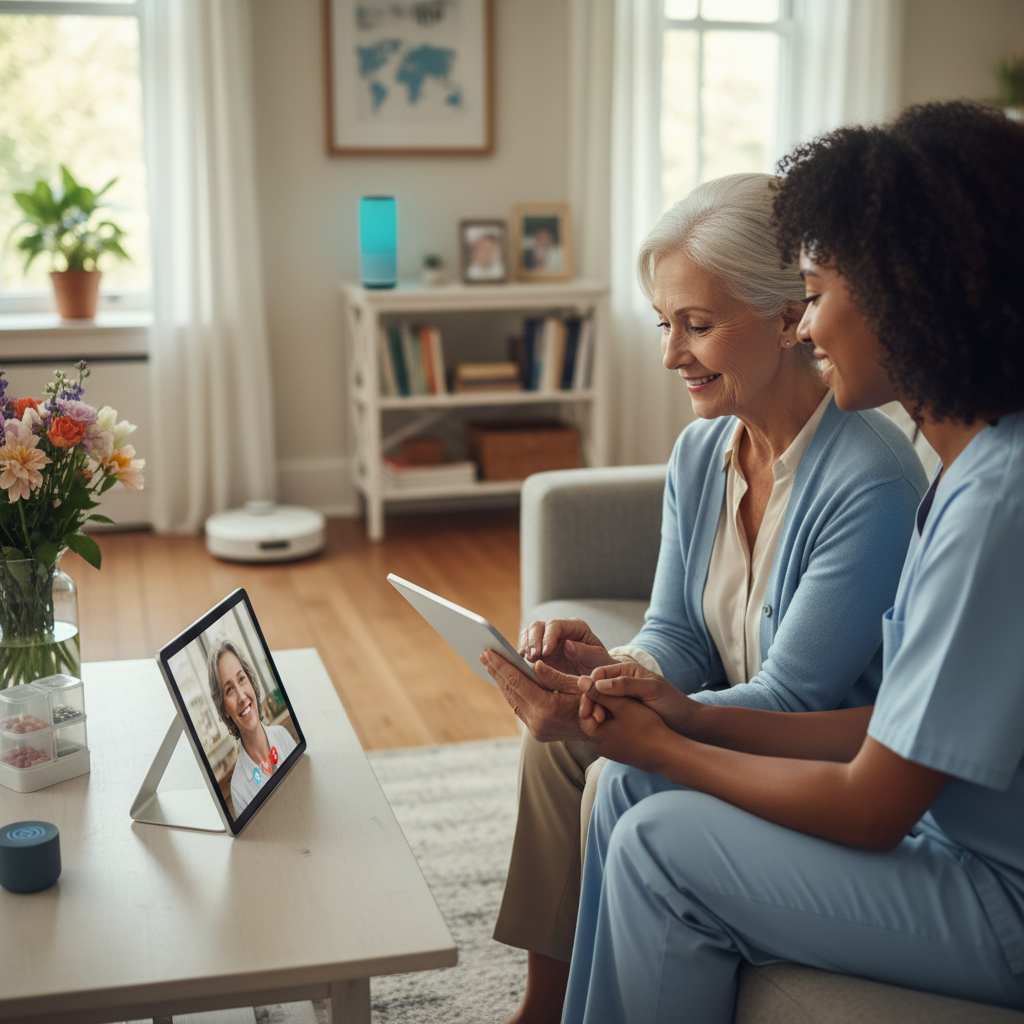
- Translation and captioning features that make video calls more accessible.
Caregiver Support: Workflows that help, not replace care
Caregivers benefit from AI too—by reducing administrative burden and improving coordination. Systems can:
- Offer a shared dashboard where family and paid caregivers log tasks and updates.
- Prioritize notifications so caregivers see urgent issues first and routine items later.
- Provide scheduling suggestions that balance professional visits and family involvement.
SeniorAIx is an example of an integrated resource for seniors, families, and caregivers: it combines easy-to-use tutorials, care coordination tools, and privacy controls that keep people—not machines—at the center of decision-making.
Privacy and Responsible AI Use
Responsible deployment matters. When using AI in senior care, prioritize:
- Consent and clear explanations about what data is collected and why.
- Data minimization—only keeping what’s necessary for safety and coordination.
- Human oversight: clinicians and family members must verify any AI-generated recommendation before action is taken.
- Transparent options to turn features off or adjust alert levels.
Tools should be designed so that seniors retain control over their home and health information.
Practical example: A day in the life using AI well
Imagine Sarah, who uses voice reminders for her morning routine, an AI app that summarizes a weekly medication list for her daughter, and a fall-detection pendant that alerts her neighbor if she doesn’t respond. The AI coordinates information and reduces duplication, but her primary care physician and family still make care decisions together.
Conclusion: AI as a partner, not a substitute
AI can help seniors live more independently by supporting routines, organizing health information, enhancing home safety, detecting scam patterns, strengthening communication, and easing caregiver workload. The most successful implementations combine technology with human judgment: clinicians validate medical concerns, caregivers provide empathy and hands-on help, and family members maintain trust and oversight. Solutions like SeniorAIx demonstrate how thoughtful design keeps people at the center—using AI to enhance independence without replacing the human care that truly matters.