

The Future of Aging: AI for Safer, Smarter Independent Living
The Future of Aging: Why AI Could Make Independent Living Safer and Smarter
As demographics shift and people live longer, the question becomes not just how to extend life, but how to preserve independence, dignity and quality of life. Artificial intelligence promises to make independent living both safer and smarter by augmenting homes, supporting caregivers, and protecting older adults’ privacy and autonomy. This article explores practical ways AI can help, with a focus on empowerment rather than replacing human connection.
How AI Supports Independent Living
AI is not a single gadget but a set of technologies—machine learning, natural language processing, computer vision, and edge computing—that can be embedded into everyday environments. When thoughtfully designed, these systems can do things like detect changes in daily routines, flag safety risks, and simplify tasks without taking control away from the person who lives there.

Practical examples
- Ambient sensors that identify unusual movement patterns and alert a trusted contact if something seems out of the ordinary.
- Voice assistants that provide medication reminders, appointment prompts and simple conversational companionship while respecting user preferences.
- Smart appliances that adapt to individual abilities—lighting that adjusts to prevent trips, or thermostats that learn comfort preferences.
Smart Homes: Quiet, Continuous Support
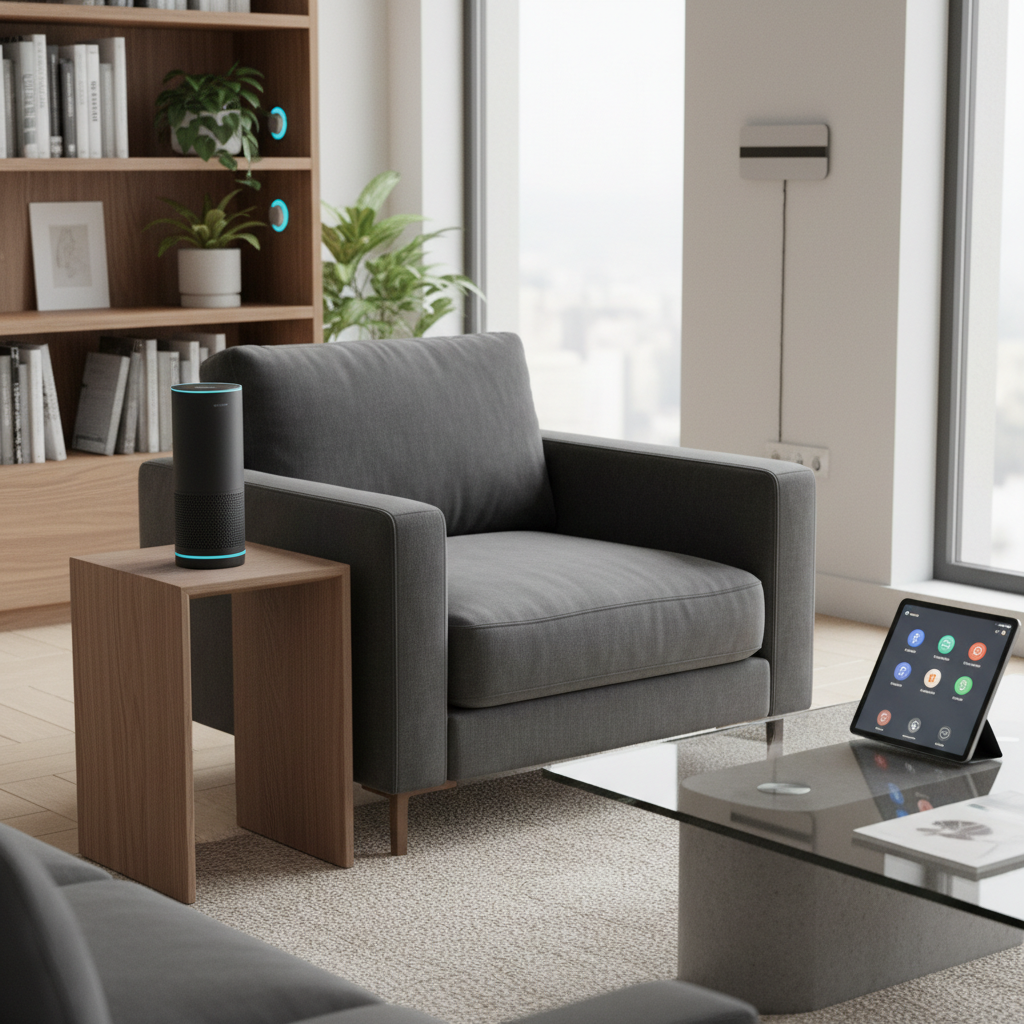
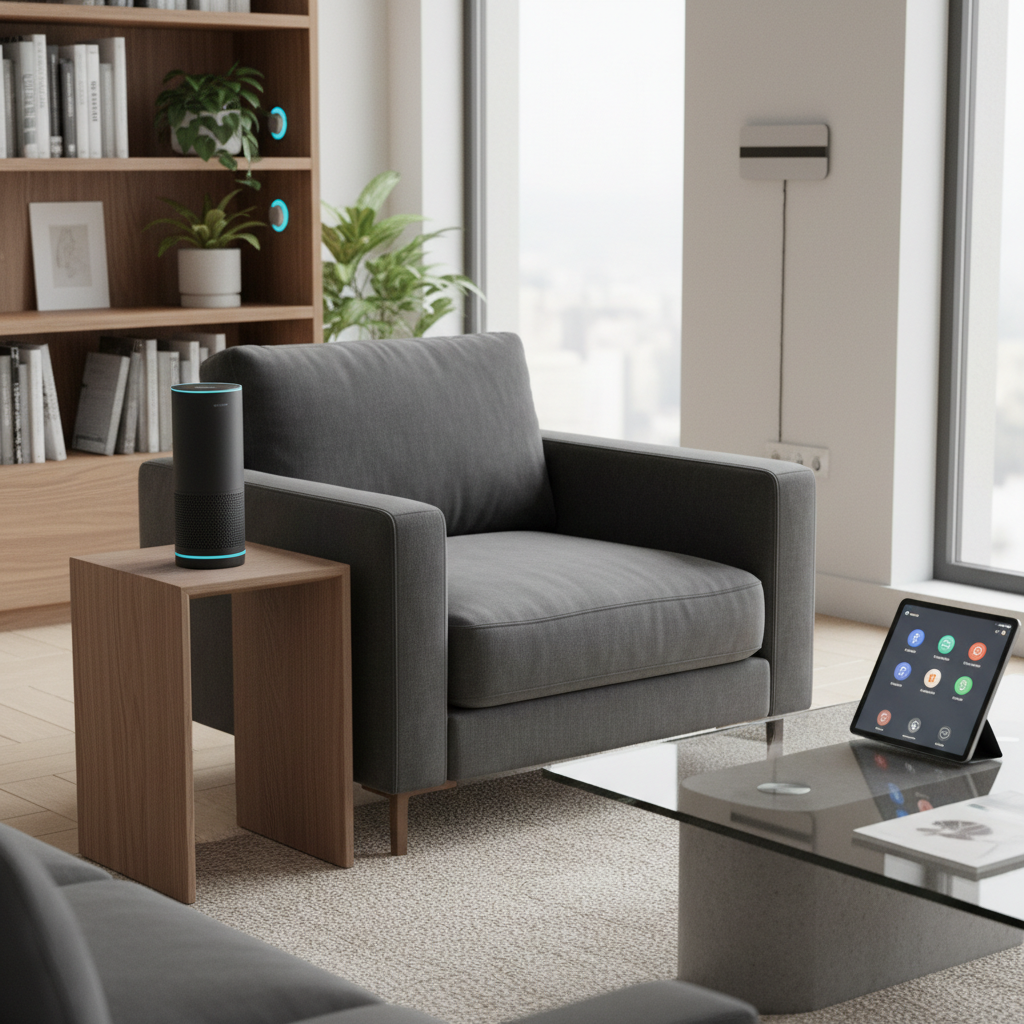
Smart homes powered by AI can be unobtrusive. Instead of replacing caregivers, they act as a continuous safety net—monitoring conditions, managing routine tasks, and delivering context-aware reminders. For example, motion and door sensors can learn normal patterns for a household and gently alert a family member if something diverges from that baseline.

Design principles for dignity
- Consent and control: residents must be able to opt in, change settings, and see what data is collected.
- Transparency: clear explanations of what the AI does and why it triggered an alert.
- Minimal intrusion: prioritize solutions that work with existing routines rather than forcing new behaviors.
Caregiver Assistance: Better Data, Better Decisions
Caregivers—both family and professional—benefit when AI summarizes relevant information without overwhelming them. Dashboards that surface key trends (sleep changes, mobility shifts, missed medications) allow caregivers to make better-informed, timely decisions while preserving the older adult’s independence.

What effective caregiver tools look like
- Concise alerts prioritized by urgency, not noise.
- Contextual notes that explain why a pattern changed (e.g., fewer steps due to a rainy week).
- Shared controls that let the resident approve who sees which data.
Digital Safety and Everyday Life
Digital safety includes both cybersecurity and protection from scams. AI can help detect phishing attempts, suspicious calls, or unusual account activity and offer simple, nonjudgmental guidance to the person or a trusted contact. In everyday life, AI can automate repetitive tasks—like ordering groceries or refilling prescriptions—while leaving final approvals to the resident.
Hardware and software ecosystems vary; manufacturers sometimes label sensor lines with model identifiers. Modular sensors 450, 433 are examples of how different components can be combined to provide a tailored balance of monitoring and privacy in a home setup.

Ethics, Privacy and Inclusion
AI solutions must be developed with ethical guardrails. Privacy-by-design, clear consent flows, and inclusive testing with diverse older adults are essential. Systems should be customizable so that people with different abilities, cultural backgrounds and living situations can all benefit.

Avoiding common pitfalls
- Don’t present AI as a replacement for human judgment—position it as an assistive partner.
- Prevent surveillance creep by limiting data retention and access.
- Design interfaces that work for those with vision, hearing or dexterity differences.
Where Organizations Like SeniorAIx Fit In
Organizations such as SeniorAIx are exploring practical deployments that center dignity. Their work emphasizes co-design with older adults, pilot programs that test real-world usability, and tools that help families and care teams coordinate. The goal is to create systems that respect independence while offering reliable safety nets.
Conclusion: A Future That Amplifies Independence
AI has the potential to make independent living safer and smarter when it is built around people’s needs and values. Thoughtful technology can reduce daily burdens, enhance safety, and preserve autonomy—without substituting human connection. By prioritizing consent, transparency and accessibility, the future of aging can be one in which older adults remain the authors of their own lives, supported by tools that listen, learn and protect.