

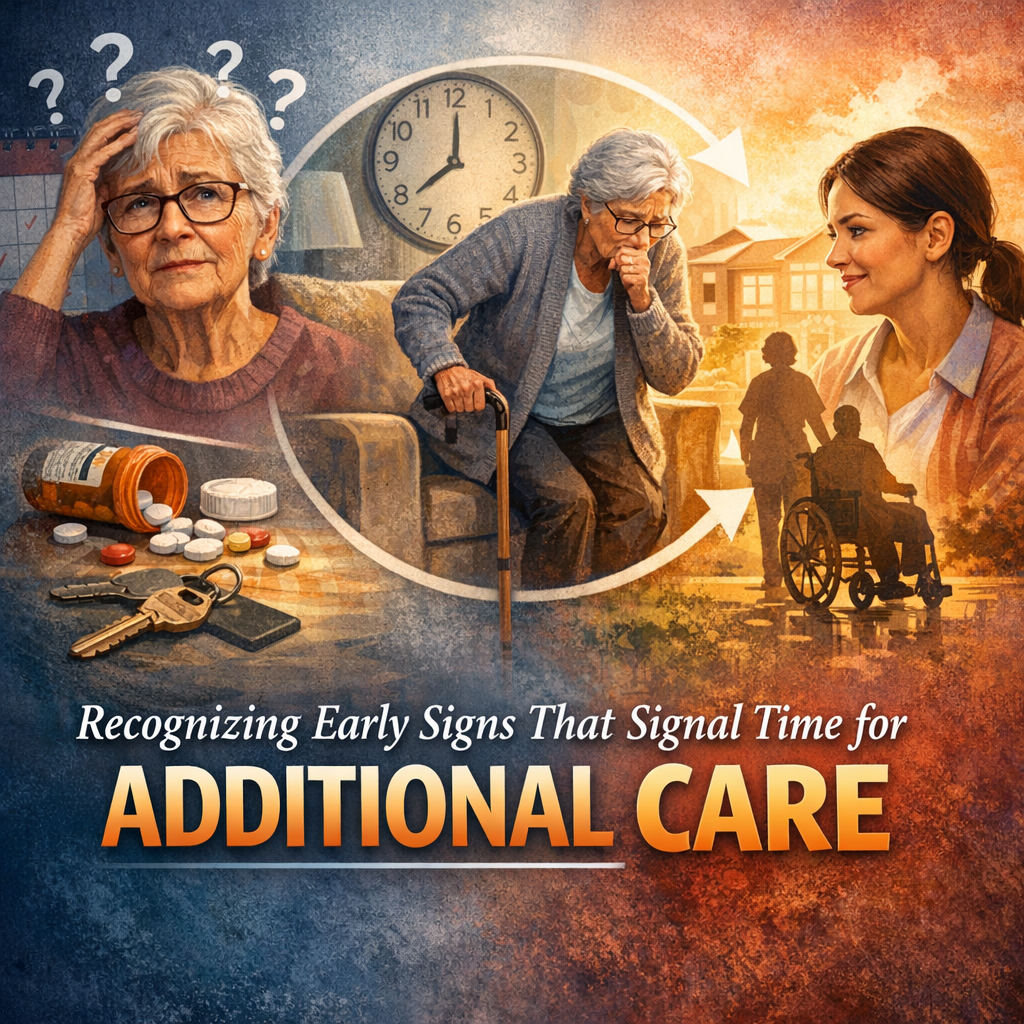
Recognizing Early Signs That Signal Time for Additional Care
When Is It Time for Additional Care? Early Signs Families Shouldn’t Ignore
Navigating the well-being of a loved one with declining health or increasing age is challenging. Recognizing when it may be time to consider additional care is crucial for ensuring their quality of life doesn’t suffer. Whether it’s hiring a caregiver, considering an assisted living facility, or increasing medical interventions, knowing the early signs to look for can make these decisions somewhat easier. Here, we outline some key indicators that suggest it might be time to enhance the care your family member receives.
Understanding the Need for More Support
As individuals age or deal with progressive health issues, their needs change. The responsibility of recognizing those changes often falls on family members, who might not always know when to take action. Early intervention can help maintain independence for longer and improve overall health outcomes.

Physical Changes
Physical signs are often the most noticeable indicators that additional care might be necessary:

- Decreased Mobility: Difficulty with walking, standing, or moving from place to place can increase the risk of falls and require modifications or support in the home.
- Unexplained Weight Loss or Gain: Significant changes in weight could be a sign of underlying health problems or difficulties with cooking and eating.
- Visible Decline in Personal Hygiene: Struggling with bathing, grooming, or dressing can indicate that daily tasks are becoming overwhelming.
Cognitive Changes
Cognitive health is equally critical, with certain changes signaling a need for intervention:

- Memory Loss: Forgetting to take medications, attend appointments, or remember important dates can have serious consequences.
- Confusion and Disorientation: Getting lost in familiar places or confusion over daily tasks can suggest deteriorating cognitive functions.
- Changes in Judgement or Decision Making: Noticeable lapses in judgement, like overspending or neglecting home maintenance, can be a precursor to more severe cognitive decline.
Emotional and Behavioral Changes
Emotional health is a crucial aspect of overall well-being. The following signs should trigger consideration for additional care:
- Increased Isolation: A withdrawal from social activities or friends can indicate depression or physical problems making socializing difficult.
- Uncharacteristic Irritability or Agitation: Significant changes in mood or demeanor may be due to discomfort, frustration, or cognitive changes.
- Sleep Disturbances: Frequent sleep issues can affect mental and physical health and may require professional attention.
Steps to Take When You Notice Signs
When these signs begin to appear, it’s important to assess the situation thoroughly and consider your options for support. Here’s what you can do:

- Open a Dialogue: Discuss your observations and concerns with your loved one. It is important that they feel involved in decisions about their care.
- Consult Healthcare Professionals: Seek advice from medical and care professionals about the observed changes and possible solutions.
- Explore Care Options: Look into home care services, assisted living facilities, or community resources that might be appropriate.
- Plan Financially: Determine what financial resources are available from private funds, insurance, or governmental assistance to support care needs.
Conclusion
The decision to increase care for a loved one is never easy. However, recognizing the early signs that additional help is needed can protect their health and improve their quality of life. Proactivity is key—by noticing and acting on these signs promptly, families can provide the support necessary to maintain a dignified and fulfilling life for their loved ones. Responding to these signs not only assists the individual but also provides peace of mind to the family knowing that their loved one is in good hands.