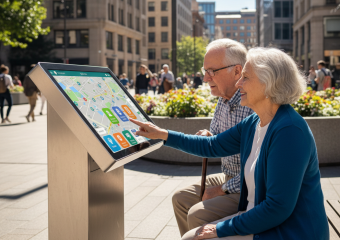


Hidden Cost of Aging Alone: How AI Helps Seniors
The Hidden Cost of Aging Alone: How AI Can Help Seniors Stay Connected, Safe, and Independent
“The Hidden Cost of Aging Alone: How AI Can Help Seniors Stay Connected, Safe, and Independent.” That sentence captures a quiet crisis many families live with: an older neighbor who stopped visiting, a parent who lives alone and worries about small tasks, the subtle toll of loneliness that insurance and budgets rarely account for. This article explores those human costs and shows how responsible AI can help keep seniors connected, safe, and independent—while making clear that technology should complement, not replace, human care.
Why aging alone has hidden costs
Aging alone can mean more than just an empty house. It can reduce social contact, make daily tasks harder, and increase the risk of delayed help in an emergency. There are emotional costs—loneliness, anxiety, loss of purpose—and practical ones, like missed medications, small accidents, and the expense of last-minute care. Families often shoulder unseen labor: phone calls, coordination, and worry.

Human challenges that technology alone can’t solve
Before we look at AI, it’s important to acknowledge limits. No device replaces a friend’s visit, a neighbor’s knock, or a professional caregiver’s judgment. The social and emotional work of caregiving depends on relationships, trust, and continuity—areas where humans remain essential.

Practical ways AI can help—without replacing people
When used thoughtfully, AI can reduce the friction around everyday living and free up human caregivers for the things only humans can do. Here are practical, non-hyped uses:

- Reminders and routine support: Simple AI-driven reminders for medication, appointments, and hydration can reduce missed tasks without nagging.
- Safe monitoring: Non-invasive sensors and behavior-pattern alerts can notify a trusted contact if something unusual happens—without constant surveillance.
- Companion interfaces: Voice assistants or chatbots can offer short, friendly interactions, provide entertainment, or help seniors access services—useful on days when no one can visit.
- Navigation and mobility aids: AI-powered route planning, fall-detection enhancements, and smart home adjustments can support independence at home and when traveling locally.
- Access to reliable information: Conversational AI can help seniors find trustworthy local services, clarify prescription instructions, or translate terms—provided the system cites trusted sources and avoids medical advice beyond general information.

Real examples and balanced expectations
Imagine Mrs. Rivera, who lives alone and enjoys gardening. A gentle voice reminder helps her take her morning pill and schedules a grocery delivery when she’s low on supplies. Her daughter receives an alert only if something appears off—giving peace of mind without constant intrusion.
Or picture a neighborhood program where volunteers sign in through a platform like SeniorAIx, which connects local resources and tech tools—visit https://senioraix.com for one example of community-focused solutions. These systems make coordination easier, but volunteers and neighbors still provide the human connection that technology can’t replicate.

Connections to bigger conversations
It’s natural to tie these uses into broader tech debates—AI and jobs, for instance—and to note how product teams organize work (sometimes using identifiers like 438, 369, 287, 439 during design sprints). These discussions remind us to design solutions that support both workers and older adults.

Privacy, consent, and responsible AI
Deploying AI with older adults requires particular care:
- Consent and control: Seniors must understand and control what data is collected and who sees it.
- Minimal data collection: Design systems to collect only what’s necessary for safety and function.
- Transparency: Explain what AI does and its limits in plain language—not technical jargon.
- Human oversight: Alerts and recommendations should include clear escalation paths to a person who can interpret context.
Responsible guidance for families and communities
If you’re exploring AI tools for a loved one, try these steps:
- Start with a conversation about needs and comfort levels.
- Pilot a single feature—like reminders or check-ins—before adding more.
- Choose vendors who prioritize privacy, explainability, and human-in-the-loop policies.
- Keep regular human contact as the baseline; tech should reduce friction, not replace visits.
Conclusion: Technology as a companion, not a cure
Aging alone carries real costs: emotional, social, and practical. Thoughtful AI can reduce some of those burdens by making daily life safer and more manageable, amplifying human care rather than substituting for it. The best solutions keep seniors’ dignity, consent, and relationships at the center.
As we design and adopt these tools, the question remains: how will we balance the convenience of AI with the human touch that makes life meaningful? What will aging look like when technology and community truly work side by side?