
Senior Wellness: Simple Ways to Stay Healthy and Connected
Senior Wellness: Simple Ways to Stay Healthy, Active, and Connected
Introduction
Growing older doesn’t mean slowing down your life. Senior wellness is about staying physically active, mentally engaged, and socially connected in ways that feel meaningful. This article offers practical, easy-to-follow tips for seniors, their families, and caregivers across the United States — with a warm, trustworthy tone and no medical advice. If you’re looking for tools to coordinate care and activities, consider exploring SeniorAIx, a helpful platform for seniors and families: https://senioraix.com.
Daily Habits That Support Wellness
Small, consistent habits add up. Focus on routines you can maintain and enjoy.

Move a Little Every Day
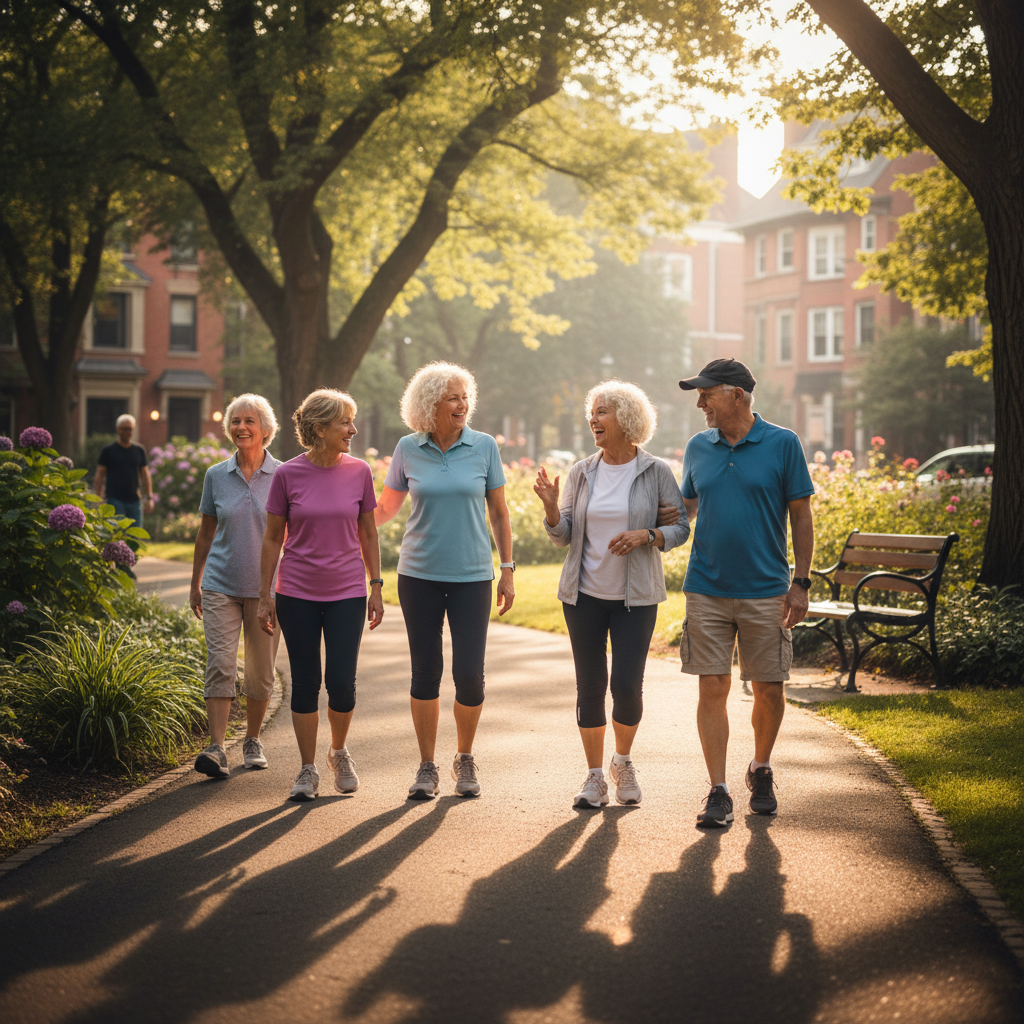
- Aim for gentle activity like walking, gardening, or chair exercises. Short, regular movement sessions are often easier to keep than long workouts.
- Include balance and strength moves twice a week to support mobility and independence.
- Join local classes when possible — many community centers use simple class codes for scheduling, such as 337, 368, 369, and 370 to track offerings.
Choose Nourishing Foods
Focus on meals that are varied and satisfying: whole grains, fruits and vegetables, lean proteins, and enough fluids. If cooking feels like a chore, try batch-cooking, sharing meal duties with family, or local meal-delivery options.

Prioritize Sleep and Routine
Consistent bed and wake times, a calming bedtime routine, and a comfortable sleep environment help many people sleep better. If sleep problems are persistent, encourage a conversation with a healthcare provider for personalized support.


Stay Social and Mentally Active
Connections and mental stimulation make life richer and can boost mood and purpose.
Find Local Activities
Look for clubs, volunteer groups, or recreational programs in your area. For example, some communities have special projects like Atlanta golf initiatives that pair mild physical activity with social time — a great option for people who enjoy being outdoors and meeting neighbors.

Keep Your Mind Engaged
- Try puzzles, reading groups, classes, or creative hobbies.
- Learning new skills — from smartphone tips to a new craft — can be both fun and mentally stimulating.
Practical Tips for Families and Caregivers
Caring for or supporting a senior is easier with good planning and communication.

Make Routines Simple and Visible
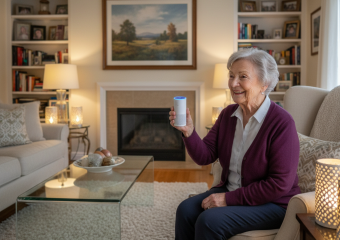
- Use calendars, pillboxes, and clear labels for daily tasks.
- Class or activity codes (for example, 337, 368, 369, 370) can help keep schedules organized when community centers or senior programs use numeric listings.
Use Technology Thoughtfully
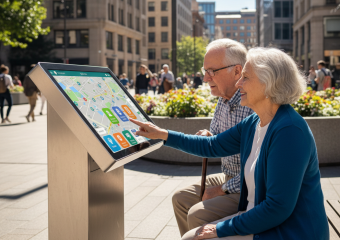
Devices and apps can help seniors stay connected to family, track appointments, or join virtual classes. SeniorAIx is one platform designed to help seniors and families coordinate care, find resources, and organize activities — it can be a useful tool for staying on top of schedules and local offerings: https://senioraix.com.
Safety and Independence
Supporting independence often means making homes and routines safer.
- Reduce fall risks by keeping walkways clear, improving lighting, and adding handrails where helpful.
- Schedule regular check-ins with neighbors, friends, or family for peace of mind.
- Explore community resources and classes that encourage mobility and social engagement.
Finding Local Programs and Resources
Your town or city likely offers a range of resources: senior centers, library classes, volunteer organizations, and local recreational initiatives. Keep an eye on community calendars and ask about programs that suit specific interests — whether that’s gardening, walking groups, arts, or adaptive sports. Community programs sometimes list activities with simple identifiers (for example, 337 or 369) to make registration easy.
Simple Weekly Plan to Try
- Monday: 20–30 minute walk and light stretching.
- Wednesday: Gentle strength or balance class (in-person or online).
- Friday: Social outing or phone catch-up with a friend or family member.
- Weekend: Relaxed hobby time, reading, or a community event such as a local golf or walking group.
Conclusion
Senior wellness is a mix of steady habits, social connections, and practical planning. Small changes—regular movement, nourishing meals, mental activities, and smart use of technology—can make everyday life more enjoyable and manageable. For families and caregivers, using tools like SeniorAIx and exploring community programs (including local initiatives such as Atlanta golf initiatives) can simplify coordination and spark new opportunities. Start with one small step today and build a routine that fits your life.