

The Future of Aging: How AI Can Help Seniors, Families, and Caregivers
The Future of Aging: How AI Can Help Seniors, Families, and Caregivers
Artificial intelligence is changing how older adults live, receive care, and manage money. This article explains practical ways AI supports senior healthcare, financial security, scam prevention, safety, legal preparation, wellness, and caregiver support. We’ll highlight real examples, benefits, limitations, privacy considerations, and responsible AI guidance so families and professionals can make informed choices.
AI in Senior Healthcare: Smarter, Not Replacement
AI can improve access to care and make routine management easier without replacing clinicians. Examples include:

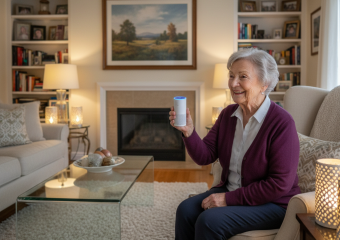
- Medication reminders and adherence trackers that send alerts to a senior’s phone or a caregiver’s dashboard.
- Telehealth triage tools that summarize symptoms for clinicians before an appointment, saving time and improving clarity.
- Remote monitoring devices that detect changes in vital signs and flag them for follow-up, reducing unnecessary emergency visits.
These tools work best when they support — not replace — professionals and include human review for important decisions.

Financial Security and Scam Prevention
Protecting assets and spotting fraud are top priorities for older adults. AI helps by:

- Monitoring transactions and alerting families or financial guardians to unusual spending patterns.
- Detecting suspicious communications (phishing calls, scam texts) and giving clear guidance on how to respond safely.
- Automating routine bill payments and reminders while preserving oversight through approval workflows.
Practical example: a bank’s AI may flag an atypical transfer and notify both the account holder and a trusted contact for verification before processing.
Safety, Legal Preparation, and Home Security
AI can reduce risk and help seniors prepare legally and practically for the future.

- Fall-detection systems use sensors or wearable devices to alert caregivers immediately.
- Smart-home integrations can turn lights on, unlock doors for verified visitors, and monitor environmental hazards (smoke, CO) with automatic alerts.
- Document assistants can organize legal documents and explain common terms; they do not replace attorneys but make questions easier to prepare for a legal consultation.
Practical note on legal and financial tools
AI can summarize documents and suggest topics to discuss with a lawyer or financial advisor, but it should not be relied on for legal or personalized financial advice.


Wellness and Social Connection
Loneliness and inactivity affect well-being. AI can help seniors stay engaged and healthy by:
- Providing personalized exercise or mobility programs that adapt as abilities change.
- Offering conversation companions or language tools that encourage cognitive engagement.
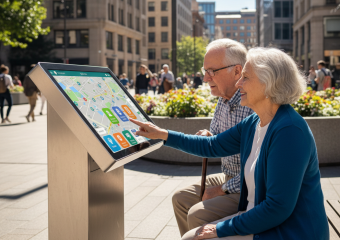
- Curating events and social meetups based on interests, location, and accessibility needs.
These features are most beneficial when tailored to an individual’s preferences and combined with in-person social activities.
Support for Caregivers
Caregivers gain time and confidence when AI handles routine tasks and organizes information. Helpful functions include:
- Shared dashboards that show medication schedules, appointment summaries, and recent alerts.
- Automated care logs that record vitals and activity so family members and professionals can review trends.
- Task prioritization tools that suggest what needs attention now versus what can wait.
These systems reduce administrative burden and improve coordinated care.
Limitations, Risks, and Responsible AI Guidance
AI is powerful but imperfect. Key limitations and safeguards:
- Accuracy: Models may make mistakes or miss context. Always include human oversight for health, legal, or financial decisions.
- Bias: Datasets can reflect biases that affect recommendations; choose tools that document testing and fairness practices.
- Transparency: Prefer systems that explain why they made a suggestion and allow users to correct data.
Responsible AI practices include clear consent, data minimization, human-in-the-loop review, and vendor accountability.
Privacy Considerations
Privacy is especially important for seniors. When evaluating AI services, look for:
- End-to-end encryption and secure storage of personal data.
- Clear policies on who can access information and for what purpose.
- Compliance with relevant regulations and the ability to export or delete personal data on request.
How to Start: Practical Steps for Families and Caregivers
Begin with small, low-risk deployments and scale up as trust grows:
- Identify the pain point (medication mistakes, isolation, financial alerts).
- Try a single feature—like an AI reminder or transaction monitor—and evaluate its usefulness for 30–60 days.
- Keep a human check: designate who reviews alerts and how decisions are escalated.
Note: numeric labels or version numbers (for example 287, 382, 416, 277, 199) sometimes appear in product releases or model IDs; ask vendors to explain what those identifiers mean for functionality and updates.
Conclusion: Practical Promise, Careful Implementation
AI offers practical ways to enhance senior healthcare, financial security, safety, and wellness while supporting caregivers. Benefits are greatest when tools are transparent, privacy-protecting, and used with human oversight. For families exploring tools and trustworthy vendors, consider resources from SeniorAIx and review product details at SeniorAIx to learn more.
Summary: Start small, prioritize privacy and human oversight, and use AI as a supportive tool to make aging safer and more independent.